Product & structure
The factory determines structure, dimensions, materials and fixing from the samples and site, then discusses capacity, finish preferences and operation with you. Load capacity requires confirmation for the actual configuration.
Whether replacing one display or planning a showroom, consider materials, sample access, capacity and site constraints together.
Share sample information, display needs and site conditions. The factory designs the display structure, dimensions and technical specifications from these details; you do not need to fill them in. Missing sample or site information can follow later.
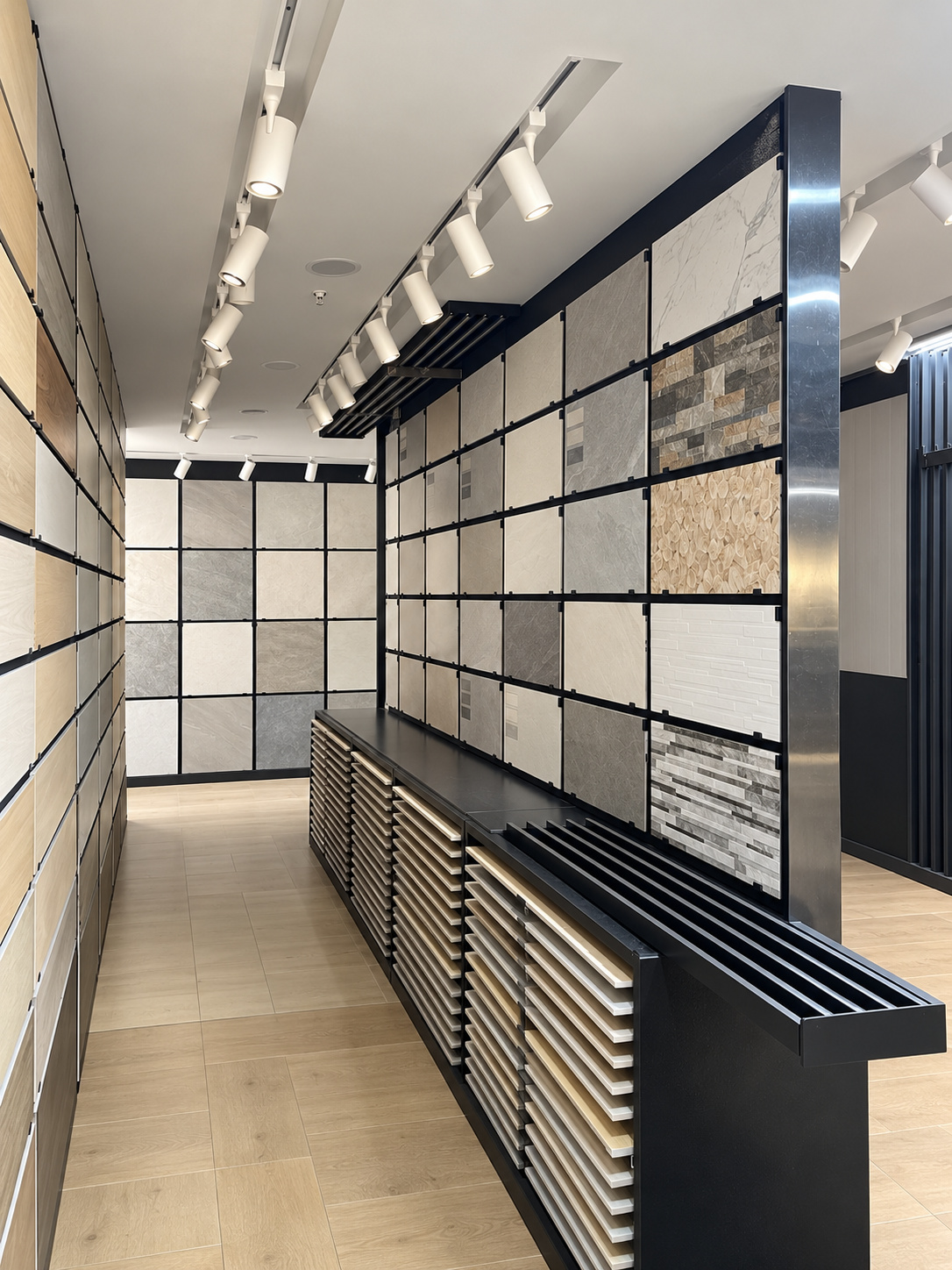
The factory determines structure, dimensions, materials and fixing from the samples and site, then discusses capacity, finish preferences and operation with you. Load capacity requires confirmation for the actual configuration.
Sample handling, circulation, operating travel, installation location, wall/floor, doorways, lifts and tools on site.
Quantity, drawings, packaging, freight, customs/taxes, unloading, installation and after-sales responsibilities: agree what is included.
Made to order, with no ready stock. Estimated production is 14–30 days; delivery is additional and confirmed for the destination and actual arrangements. A brief does not create an order or request payment.
Price, minimum order quantity and availability are project-specific, without a uniform public price. The formal quotation or contract specifies a deposit of 50% of goods value, payment recipient and method, taxes and invoicing.
Share your custom brief